South Korea's Yoon Suk Yeol Sentenced to 30 Years for Drone Provocation Against North
Former president, already serving life for insurrection, found guilty of ordering drone flights over Pyongyang to justify martial law.
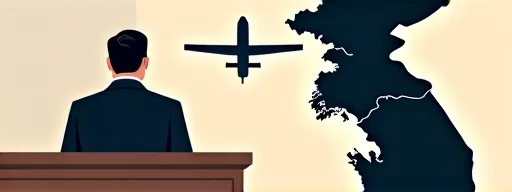
A Seoul court on Friday sentenced South Korea’s ousted president Yoon Suk Yeol to 30 years in prison for ordering military drone flights over Pyongyang in 2024, a clandestine operation designed to provoke North Korea and manufacture a pretext for his disastrous declaration of martial law. The sentence, handed down by the Seoul Central District Court, adds to the life term Yoon is already serving for insurrection over that same martial law bid, effectively ensuring the 65-year-old former leader will spend the rest of his life behind bars. His former defence minister, Kim Yong Hyun, received an identical 30-year term, while other senior military figures were given sentences ranging from 15 years to suspended terms.
The court found that Yoon, from the very beginning, had approved the drone incursions in October 2024 with the explicit aim of goading North Korea into armed retaliation. The unmanned aircraft dropped propaganda leaflets over the northern capital, sparking furious condemnation from Pyongyang at the time. Judges concluded that Yoon sought to ‘heighten inter-Korean military tensions and manufacture a national crisis’ so that his subsequent martial law decree, announced on 3 December 2024, could be portrayed as a necessary emergency measure. That decree, which lasted only six hours before parliament voted to annul it, triggered a constitutional crisis, mass protests, and Yoon’s eventual impeachment and arrest. In the drone case, the court convicted him of aiding an adversary and abusing power, rejecting defence arguments that the flights were a legitimate response to North Korean trash balloons.
Viewed from Seoul, the verdict represents a historic moment of judicial accountability for a president who, in the court’s words, betrayed the public trust by using military capabilities for personal political ends. In Pyongyang, the ruling may be seen as belated vindication of its accusations that the South was deliberately escalating tensions, though the regime has yet to comment officially. Western diplomatic circles, including Washington, have largely welcomed the sentence as reinforcing democratic norms in a key Asian ally, while noting the broader risks of such provocations for regional stability. European analysts point to the severity of the punishment as a deterrent against future executive overreach. The sentencing also swept up the former defence counterintelligence chief, Yeo In-hyung, who received 15 years, and the drone operations commander, Kim Yong-dae, who was given a three-year suspended term, signalling a comprehensive judicial purge of the military leadership that enabled the scheme.
Yoon’s legal battles are far from over. He is appealing his life sentence for insurrection, and faces several other trials, including a separate five-year term already imposed in January. The cumulative weight of these convictions all but guarantees he will die in prison, a fate that places him in the tragic lineage of South Korean former presidents who have ended up behind bars. The drone episode, by exposing how far a sitting leader was willing to go to cling to power, has left a deep scar on the country’s democratic fabric. For the Korean peninsula, already locked in a technical state of war since the 1950s, the affair underscores the ever-present danger that domestic political crises can spill over into inter-Korean military confrontation. As Seoul moves forward, the international community will be watching closely to see whether the institutions that held Yoon to account can also restore the public confidence his actions so gravely damaged.
How the same story is told elsewhere.
The ousted South Korean president has been sentenced to 30 years for sending drones into North Korea, a move the court said was designed to provoke an armed response and create a pretext for martial law. The verdict underscores the grave security risks of his actions, which amounted to aiding an adversary and abusing power. Yoon, already serving a life term for insurrection, now faces additional punishment for deliberately stoking inter-Korean tensions.
South Korea's former president has been sentenced to 30 years in prison for endangering national security by sending drones into North Korea. The court found that he deliberately provoked the North to escalate military tensions, putting the country at risk in order to fabricate a crisis that could justify martial law. The sentence reflects the severity of compromising state security for personal political gain.
The former South Korean president was sentenced to 30 years in prison for a plot that used drones to provoke North Korea and pave the way for a martial law decree. The court found him guilty of general treason, concluding that he orchestrated the operation to manufacture a national crisis and concentrate power. The sentence adds to his existing life term for insurrection, highlighting the conspiratorial nature of his actions.
This story appeared in
28 sources · 12 languages · 24h window