Trump Claims Iran War Over, but Tehran Insists No Final Deal Reached
Conflicting accounts emerge as Washington touts a breakthrough agreement to reopen the Strait of Hormuz and dismantle Iran's nuclear programme, while Tehran says nothing has been finalised.
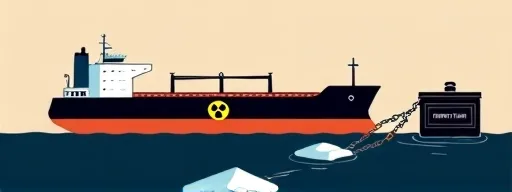
The most dramatic diplomatic turn in the three-month-old US-Iran war came late Thursday when President Donald Trump declared from the Oval Office that “we ended the war with Iran today” and that a settlement was “practically made”. Within hours, Iran’s Foreign Minister Abbas Araghchi posted on X that the “Islamabad Memorandum of Understanding has never been closer”, a message Trump promptly reposted. Yet by Friday, Tehran’s foreign ministry spokesperson insisted that “nothing has been finalised”, and Iranian state-linked media published a 14-point draft that Trump furiously dismissed as bearing “no relation to the truth”. The whiplash of claims and counter-claims has left diplomats and markets struggling to discern whether a genuine breakthrough is at hand or merely the latest in a pattern of premature announcements — Trump has previously claimed an imminent deal at least 38 times.
Viewed from Washington, the White House narrative is one of decisive victory. A senior official told AFP that Iran had agreed to dismantle its nuclear programme, destroy its enriched uranium stockpile, and reopen the Strait of Hormuz, with frozen Iranian assets to be released only after compliance. Trump himself stressed that preventing a nuclear-armed Iran was “95 per cent of it” and that the strait would “officially open as soon as we sign”. The deal, he said, could be signed in Europe as early as this weekend, with Vice President JD Vance representing the United States. Crucially, Trump cancelled planned strikes on Iran after, according to Indian and Pakistani sources, the leaders of the UAE, Qatar and Pakistan’s army chief persuaded him to give diplomacy a final chance. The memorandum would extend a ceasefire by 60 days, including in Lebanon, and set a framework for detailed nuclear negotiations.
Tehran’s perspective, however, paints a markedly different picture. The semi-official Mehr agency published a draft that included the release of $24 billion in frozen Iranian assets, the withdrawal of US forces from the region, and the preservation of Iran’s right to enrich uranium and manage the Strait of Hormuz jointly with Oman. Foreign ministry officials stressed that “red lines” would not be compromised and that the text was still under review by the Supreme Leader. While Araghchi’s optimistic post signalled progress, the Iranian side has consistently refused to confirm a final agreement, and Revolutionary Guards-affiliated media quoted sources saying the draft had not been approved. The gap between the two versions — one emphasising Iranian concessions, the other Iranian gains — underscores the deep mistrust that any accord must bridge.
European and Asian mediators have moved swiftly to shape the logistics of a potential signing. Geneva emerged as the likeliest venue, possibly on the sidelines of the G7 summit in Evian, France, next week. Pakistani Prime Minister Shehbaz Sharif, who hosted the Islamabad talks, confirmed that “a final, agreed upon text of the peace deal has been reached” and that Islamabad was working with both sides on next steps. The choice of Switzerland, a traditional neutral ground, reflects the need for a setting acceptable to both a US administration deeply sceptical of multilateral forums — Trump called the G7 “irrelevant” — and an Iranian leadership wary of appearing to capitulate on Western soil.
For all the theatrical optimism, the deal remains fragile. Oil prices have already swung sharply on the rumours, and the Strait of Hormuz, through which a fifth of global oil passes, remains a flashpoint: Iran reported repelling a drone attack on Indian vessels near the strait, and explosions were heard near the coastal city of Sirik. Analysts in London note that any agreement will require not only the Supreme Leader’s final nod but also a second, more detailed nuclear accord to address Iran’s enriched uranium stockpile. The coming days will reveal whether the “Islamabad Memorandum” is a genuine off-ramp from war or another chapter in a conflict that has repeatedly defied diplomatic resolution.
This story appeared in
46 sources · 10 languages · 24h window