World Fertility Day Exposes Global Gaps in Reproductive Health and Stigma
As World Fertility Day is marked on 4 June, one in six people worldwide grapple with infertility, yet stigma, uneven treatment access and mental health tolls remain deeply entrenched.
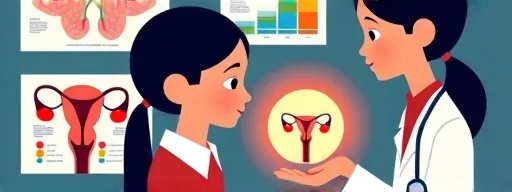
Across the globe, the commemoration of World Fertility Day on 4 June—an observance officially recognised in Spain and marked through awareness campaigns in multiple countries—has once again cast a harsh light on the scale of infertility. The World Health Organization estimates that approximately one in six adults of reproductive age will experience infertility at some point, a reality that cuts across borders but is often met with silence or moral judgment. In Argentina, local health advocates point to a culture where taboos and misinformation still surround conception struggles, preventing many from seeking timely medical advice or emotional support when it is most needed.
Viewed from Buenos Aires, the conversation is broadening beyond the purely biological. Argentine commentators stress that fertility is not merely an issue to be addressed once pregnancy is desired but a lifelong aspect of health that requires early care—including screening for sexually transmitted infections and routine gynaecological checks. Meanwhile, the mental health dimension has gained traction in the local press, with specialists noting that the emotional toll of infertility can be as debilitating as the physical condition itself, straining relationships and personal identity. Despite the country’s progressive legislation mandating assisted reproduction coverage, healthcare analysts in Argentina warn that persistent gaps in public funding and regional disparities mean thousands still face barriers to accessing treatment.
Further north, a different facet of the fertility debate has emerged in the United States. A prominent opinion piece describes a generation of young women gripped by a deep-seated fear of pregnancy, driven by cultural narratives that portray childbirth as inherently dangerous and traumatic. This anxiety, the author argues, is reshaping life decisions and could have long-term demographic consequences. The phenomenon stands in stark contrast to a parallel trend documented in Argentine media: an increasing number of adults, backed by psychological research, are consciously choosing childlessness, citing personal fulfilment and environmental concerns over traditional family scripts.
These intersecting perspectives—from early prevention to the politics of access, from entrenched stigma in the Southern Cone to pregnancy phobia in North America—underscore that fertility is no longer a private matter. As the day of awareness passes, health authorities and civil society in multiple regions are calling for more than fleeting attention. The aim is to embed reproductive literacy into public health curricula, destigmatise infertility across all genders, and ensure that the right to seek treatment is not filtered through wealth or geography. The global fertility conversation, it seems, is only just beginning.
How the same story is told elsewhere.
On World Fertility Day, Latin American outlets treat fertility as a public health issue, calling out taboos and misinformation. They emphasize that reproductive health is built from an early age through healthy habits and regular check-ups, and that mental well-being is an integral part of the journey. Equitable access to treatment and respect for personal choices, including the decision not to have children, are highlighted as regional priorities.
Anglo-American outlets frame pregnancy as a source of fear, with opinion pieces charging that an entire generation has been misled about the dangers of childbirth. Personal accounts describe social pressure to quickly shed baby weight, which masked serious health warnings. The narrative calls for reclaiming pregnancy as a natural, empowering process rather than a life-threatening ordeal.
South-East Asian coverage shifts the lens to everyday parenting, listing common reasons why children don't listen. The approach is practical and educational, explaining triggers like distraction, vague instructions, or unspoken emotional needs. The tone remains calm and solution-oriented, depersonalizing the conflict and offering communication tips.
This story appeared in
8 sources · 2 languages · 24h window