US Sanctions Iranian Crypto Exchange Nobitex over IRGC Financial Flows
The US Treasury targets Iran's largest cryptocurrency platform and three others, accusing them of processing illicit payments for the Revolutionary Guard and evading Western sanctions.
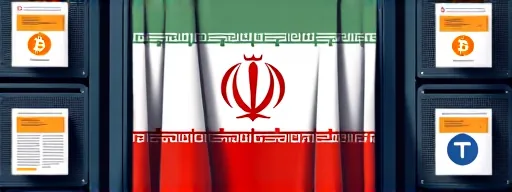
The United States has levied sanctions against the largest cryptocurrency exchange in Iran, Nobitex, alongside three affiliated platforms and key individuals in a move that marks a significant escalation in the campaign to choke off Tehran’s use of digital assets for illicit finance. The Treasury Department announced the measures on Tuesday, accusing Nobitex of facilitating hundreds of millions of dollars in transactions for the Iranian regime, including payments linked to the Islamic Revolutionary Guard Corps (IRGC) and schemes to circumvent international sanctions. Nobitex alone processed more than half of all digital asset inflows into Iran in 2025, according to the Treasury, underscoring the platform’s systemic role.
Viewed from Washington, the sanctions crystallise a growing alarm over Iran’s exploitation of cryptocurrency as a parallel financial system. A Reuters investigation published in early May revealed that Nobitex had become a central node, channeling money to the Central Bank of Iran and the IRGC even as the domestic economy faltered. The platform continued to operate seamlessly during a government-imposed internet shutdown, processing millions in transactions that would otherwise have been blocked by traditional banking freezes. Tuesday’s designations also blacklisted the chairman, co‑founder and former chief executive of Nobitex, signalling a personalisation of sanctions that aims to deter senior figures from enabling such networks.
From Tehran’s perspective, however, the measures are just the latest front in an economic war that has driven the regime to adopt digital tools out of necessity. While Iranian authorities have publicly promoted cryptocurrency mining and trading as a state‑sanctioned revenue stream, critics note that the same infrastructure inevitability bleeds into the hands of security agencies and militant proxies. The Treasury also sanctioned three other exchanges—Wallex, Bitpin, and Ramzinex—indicating that the entire digital‑asset ecosystem inside Iran is now under scrutiny.
Analysts in London and Brussels see the move as part of a broader regulatory push by Western allies to deny havens for crypto‑based sanctions evasion. Yet enforcement remains uneven; blockchain transactions are traceable but can be severed by obfuscation tools, and Iranian users have already migrated to smaller, harder‑to‑monitor platforms in past crackdowns. The latest designations, by freezing any US‑based assets and criminalising third‑party dealings with the listed entities, aim to raise the costs and risks for intermediaries worldwide.
Looking ahead, the sanctions are likely to accelerate the fragmentation of Iran’s crypto market. With the largest exchange now effectively quarantined from the dollar‑based global financial system, trading may shift deeper into peer‑to‑peer networks or into jurisdictions with lighter oversight. Yet the personal targeting of executives and the inclusion of multiple platforms suggest that Washington is prepared to pursue the network wherever it reappears, setting the stage for a protracted digital‑financial confrontation.
How the same story is told elsewhere.
The US Treasury has sanctioned four Iranian digital asset exchanges that facilitated hundreds of millions of dollars in transactions for blacklisted entities, including the Central Bank and the Revolutionary Guards. This pragmatic enforcement action aims to safeguard the global financial system from sanctions evasion and terrorist financing.
Washington has once again resorted to unilateral coercive measures, targeting Iran's largest crypto exchange under the pretext of countering terrorism. The sanctions will primarily harm ordinary Iranians and obstruct legitimate cross-border trade, while advancing US geopolitical objectives.
The United States persists in its economic strangulation of nations that defy its hegemony, now attacking Iran's cryptocurrency infrastructure. With unsubstantiated terrorism allegations, Washington seeks to criminalize Tehran's every attempt to preserve financial sovereignty under an illegal blockade.
The US Treasury's action cuts off a vital funding channel for the Revolutionary Guards, who used platforms like Nobitex to move money for terrorist operations and proxy networks. Swift and sustained international cooperation is essential to prevent Iran from exploiting digital assets to bypass sanctions and fuel its terror machine.
This story appeared in
5 sources · 3 languages · 24h window