Trump’s Third Tariff Wave: Forced Labour Pretext Sparks Global Backlash
Washington proposed new duties of 10-12.5% on 60 nations over forced labour, triggering condemnation from allies and deepening trade tensions ahead of crucial summits.
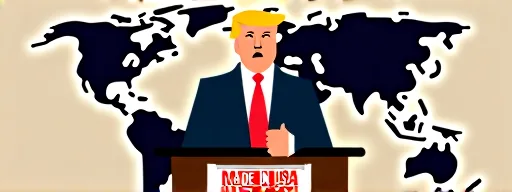
The Trump administration has launched its third and most wide-ranging tariff offensive, proposing duties of up to 12.5 per cent on imports from 60 countries – covering virtually all U.S. imports – under the banner of combating forced labour. Viewed from Washington, the move is an attempt to circumvent a Supreme Court ruling in February that struck down the president’s emergency tariffs, redirecting the trade war through the Section 301 unfair practices statute. The U.S. Trade Representative (USTR) argues that trading partners from the European Union to India have failed to enforce bans on goods produced by coerced workforces, an assertion met with a mixture of fury, measured rebuttal, and diplomatic manoeuvring across continents.
From Brasília, the response was visceral. President Luiz Inácio Lula da Silva, caught by surprise at the announcement he learned of through social media, declared Brazil would not be treated “like an insignificant little republic” and threatened to activate its Reciprocity Law. The political fallout spilled into the 2026 presidential campaign, with Senator Flávio Bolsonaro – who recently met Trump – blaming Lula’s foreign policy for the tariffs, while memes dubbed him “TariFlávio.” Lula confirmed he will attend the G7 summit in France, where he aims to confront Trump directly, though officials eye any bilateral as delicate. Across Latin America, the calculus differed: Mexico secured exemptions for 85 per cent of its exports under the USMCA, but a residual 15 per cent remains exposed. Canada’s Prime Minister Mark Carney called the threat “not a surprise” and said Ottawa would soon propose its own stricter measures against forced labour imports.
Europe and Asia reacted with a more technocratic scepticism. Brussels branded the tariffs “unjustified” and pointed to the Turnberry agreement of 2025, which it says precludes such unilateral hikes. India, while engaged in sensitive bilateral trade negotiations, stressed it is cooperating with U.S. investigations but warned against linking the issue to ongoing talks. Australia’s Prime Minister Anthony Albanese called the tariffs “unjustified” and defended Canberra’s world‑leading anti‑slavery laws; his trade minister flew to Washington for urgent consultations. Beijing, tacitly included among the penalised, denied state‑sponsored forced labour and accused Washington of fabricating pretexts for protectionism.
The legal and economic sands shift rapidly. The USTR’s preliminary findings open a consultation period before any duties take effect, likely from mid‑July. Analysts note that the forced‑labour rubric is elastic enough to survive judicial scrutiny, unlike Trump’s earlier emergency declarations. As leaders prepare to gather at the G7 and, a month later, at a fraught NATO summit in Ankara – a meeting Trump has confirmed he will attend – the disputes over trade and alliance burden‑sharing are colliding. With the U.S. still holding $166 billion in previously struck‑down tariffs that courts now order returned, the global trading system faces a summer of legal battles and brinkmanship, with supply chains from Melbourne to Monterrey bracing for impact.
How the same story is told elsewhere.
The Trump administration is making its third attempt to impose global tariffs, this time exploiting forced labour concerns to bypass a Supreme Court ruling. It is a cynical move that harms trading partners and threatens the global economy.
Brazil and other Latin American nations are cast as victims of Trump’s tariff war, which cloaks itself in forced labour concerns to target their economies. President Lula calls out US hypocrisy and vows retaliation, while the dispute becomes a domestic electoral battleground.
Trump will attend the NATO summit in Turkey and the G7 summit in France, confirming US participation in multilateral alliances. The Russian press ignores the new tariff threats and solely reports on the diplomatic calendar.
Lula openly defies the US, saying he will sell Brazilian goods elsewhere and thanking China for approving its beef. Chinese media casts Beijing as a reliable trade partner amid US tariff aggression, celebrating the shift away from the American market.
This story appeared in
61 sources · 11 languages · 24h window