Trump Confirms Expletive-Laden Call With Netanyahu as Lebanon Operations Strain Ties
The US president acknowledged calling the Israeli premier “f***ing crazy”, exposing tactical rifts over military escalation that threatens fragile diplomacy with Iran.
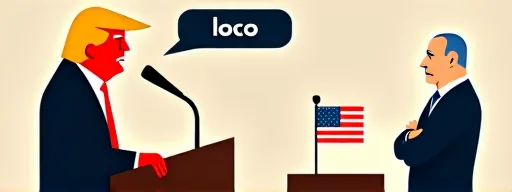
President Donald Trump confirmed in a podcast interview released on Wednesday that he berated Israeli Prime Minister Benjamin Netanyahu as “f***ing crazy” during a tense telephone call, the latest eruption in a relationship tested by Israel’s widening campaign against Hezbollah in Lebanon. “I was a little bit perturbed at his constantly fighting with Lebanon,” Trump told The New York Post’s Pod Force One, after the Axios news site first reported the expletive-laden exchange. The US president also reportedly told Netanyahu he would be “in prison” without Trump’s support, a reference to the premier’s corruption trial that underscored the transactional undertones of their alliance.
Netanyahu moved swiftly to contain the diplomatic damage, telling CNBC that “as in the best families, sometimes we have tactical disagreements” but that the two leaders “agree on the main things” — above all, preventing Iran from acquiring nuclear weapons. The Israeli prime minister declined to reveal details of the call, yet his effort to frame the spat as routine belied a rare public rift. Viewed from Jerusalem, the episode fed into domestic political critiques: Haaretz noted that Netanyahu’s rivals, rather than calling him “crazy” for striking Lebanon, instead painted him as a weak leader who had capitulated to Trump’s demands.
The immediate trigger for Trump’s anger was Israel’s threatened strike on Beirut’s Dahiyeh suburb, a Hezbollah stronghold, which came as Washington scrambled to revive talks with Tehran over its nuclear programme and the reopening of the Strait of Hormuz. Iran, in turn, suspended negotiations in protest, dealing a setback to Trump’s goal of extricating America from an unpopular war. Analysts in London observed that the US president, ever the dealmaker, saw Israel’s escalation as an obstacle to diplomacy, a view that collided with Netanyahu’s determination to degrade the Iran-backed militia.
Despite the acrimony, both leaders insisted their personal bond remained intact. Trump called Netanyahu a “wartime” leader and said “I like Bibi a lot”, while the Israeli premier hailed Trump as “the best friend Israel has ever had in the White House”. Yet the strains are unlikely to vanish. With Iran nuclear diplomacy teetering and Israel vowing to continue operations in Lebanon, the episode has exposed the limits of Washington’s influence over its closest Middle Eastern ally — and foreshadowed further friction as divergent strategic priorities grind against entrenched personal loyalties.
How the same story is told elsewhere.
Trump admitted using an expletive against Netanyahu during a phone call about Lebanon, saying he was annoyed that the Israeli campaign was holding back Iran diplomacy. Both leaders stressed their bond remains strong and that tactical disagreements do not undermine shared strategic goals. The renewal of the ceasefire frames the tension as a manageable rift within a solid alliance.
With the US-Iran war nearing its hundredth day, Trump’s admission that he called Netanyahu ‘crazy’ raises urgent concerns about peace talks. Analysts caution that the personal rift could derail efforts to stabilize the region. Netanyahu downplays the scolding, but the background remains a widening conflict that could escalate further.
After Israel initially denied the reports, Trump himself confirmed he had harshly insulted Netanyahu in a phone call, calling him a crazy leader over the Lebanon attacks. The revelation turns a tense exchange into a public spectacle, highlighting the drama between allies. The heated language and the flip-flop dominate the narrative, pushing diplomatic implications aside.
The expletive-laden call between Trump and Netanyahu over Lebanon has badly complicated Washington’s diplomacy with Iran. Tehran’s threat to suspend talks deals a serious setback to Trump’s attempt to exit an unpopular war. The episode exposes the chronic friction between the two leaders, carrying long-term risks for regional stability.
This story appeared in
23 sources · 3 languages · 24h window