Pope Leo XIV Confronts Abuse 'Plague' in Spain, Meets Survivors Amid Criticism
Pontiff calls clerical abuse a 'plague' and meets six victims in Madrid, but excluded groups dismiss encounter as a photo opportunity.
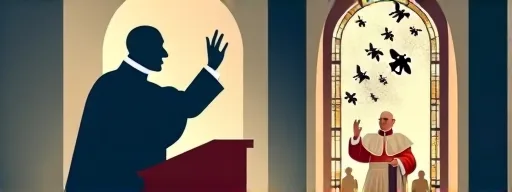
Pope Leo XIV, on the third day of his historic visit to Spain, broke years of institutional silence by directly confronting the clerical sexual abuse crisis, calling it a "plague" and demanding a response of "listening, truth, justice, and reparation." Addressing the Spanish Episcopal Conference in Madrid, the American pontiff acknowledged the "most painful encounters" with those wounded by clergy who should have cared for them. The speech, reported widely across Spanish and Italian media, was his first direct reference to the scandal on Spanish soil and was immediately framed by Vatican-watchers in Rome as a watershed moment after decades of perceived evasion by the Iberian hierarchy.
Later that day, the Pope met for nearly an hour with six survivors at the Apostolic Nunciature. The Vatican said he listened "with affection and attention" to their personal stories and proposals to make safeguarding more effective, promising that their input would serve as a foundation for further efforts. The participants, drawn from across Spain, had been nominated largely by the national ombudsman, the Madrid diocese, the bishops' conference, and the Church-run Repara support project. Yet the carefully curated encounter drew sharp criticism from survivors' groups who were not invited; they dismissed it as a mere photo opportunity, a charge that echoed in Australian and other international coverage.
The dual track — public condemnation and private listening — reflects the tightrope the Vatican is walking. Viewed from Latin America, where the Church's credibility has also been battered by abuse scandals, the Pope's language resonated: he insisted that "every wounded person must find sincere listening, protection, and real paths of healing" and called for an "ever more decisive commitment to prevention and a culture of care." Italian commentators noted that while the words fell short of the unconditional condemnation victims' associations had demanded, they nonetheless signalled that the crisis is far from resolved and that the new papacy intends to push national churches toward accountability.
Whether this visit marks a genuine operational shift or remains a symbolic gesture will depend on concrete follow-through. The Pope's commitment to make the Church "a safe place for all" now faces the test of implementation in a country where independent inquiries and victim-led advocacy have long pressured the episcopate. Analysts in London note that the inclusion of the ombudsman in selecting participants hints at a nascent willingness to engage civil society, but the exclusion of independent survivor collectives underscores the institutional instinct to control the narrative. The coming months will reveal if the "plague" rhetoric translates into transparent reparations and disciplinary action, or if it joins the archive of papal apologies that stopped short of systemic reform.
How the same story is told elsewhere.
Pope Leo XIV denounced clerical sexual abuse as a 'plague' and demanded firm action from Spanish bishops to protect victims and restore trust. The Latin American press highlights his parallel call for solidarity with immigrants as part of a broader reformist and socially committed agenda.
Pope Leo held a private meeting with six abuse survivors, but groups not invited dismissed it as a staged photo opportunity. Anglophone outlets underscore the persistent gap between symbolic Vatican gestures and the demand for full transparency and accountability.
The Pope's frankness before Spanish bishops signals a watershed after years of institutional silence, even if victims' associations had hoped for an even stronger condemnation. European outlets place the visit within the broader context of the Church's credibility crisis and the pontiff's parallel calls for peace.
This story appeared in
8 sources · 4 languages · 24h window