Nasdaq 100 Tops 30,000 as AI Euphoria and Iran Truce Hopes Fuel Record Rally
Chipmakers breach trillion-dollar valuations while fragile ceasefire talks ease oil fears, though analysts warn of echoes of the dot-com era.
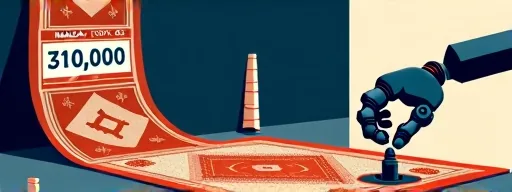
American equities vaulted to fresh records in the first session after the Memorial Day holiday, as an artificial intelligence investment boom and cautious optimism over a US–Iran ceasefire propelled the technology-heavy Nasdaq 100 index past the 30,000-point threshold for the first time. The benchmark S&P 500 also notched an all-time high, though the Dow Jones Industrial Average edged slightly lower. The surge was underwritten by a generational wager on semiconductor firms: Micron Technology’s shares rocketed 19 per cent, pushing its market capitalisation above one trillion dollars after UBS analysts more than tripled their price target, citing the company’s lucrative long-term supply contracts.
Seen from Washington, the rally drew additional fuel from signals that a diplomatic framework between the United States and Iran could be within reach. Secretary of State Marco Rubio told reporters that an accord to halt the conflict could materialise “in a few days,” while Tehran’s foreign ministry held out a similar prospect. Investors largely shrugged off fresh military strikes in Iran and Lebanon, betting that the geopolitical risk premium baked into crude prices would soon unravel. Brent slipped half a per cent to hover near $99 a barrel, though it remains elevated by historical standards, and the dollar weakened slightly.
The wave of optimism swept across Asia on Wednesday. MSCI’s regional equities gauge climbed 1.1 per cent to an all-time peak, with South Korea’s benchmark leaping as much as 5 per cent. Memory-chip titan SK Hynix vaulted into the trillion-dollar club alongside Micron, its shares soaring as much as 11 per cent. Japanese stocks also scaled fresh heights. Analysts in London note that the AI trade is increasingly being treated as a secular infrastructure build-out rather than a speculative binge, yet some veterans caution that the run-up echoes the final stages of the 1990s dot-com bubble.
Beneath the surface, however, the calm is fragile. New Zealand’s dollar jumped after the Reserve Bank held rates steady but hinted that tightening could arrive sooner than markets anticipated, underscoring that central banks are not yet ready to declare victory over inflation. Bond markets reflected a tentative easing of price fears: US Treasury yields fell, and investors trimmed wagers on further rate rises. For all the exuberance, the AI trade’s momentum now rests on the successful public debuts of major private firms such as SpaceX, which could test the market’s appetite later this year.
The week ahead promises to test whether the twin pillars of AI spending and geopolitical détente can prop up valuations. If Rubio’s “few days” stretch into weeks, or if hostilities escalate in the Gulf, oil could snap back and sap risk appetite. For now, however, the prevailing wager is that the ceasefire will hold, allowing the tech-driven re-rating to continue. It is a high-wire act, but one that, for the moment, global markets are willing to watch with applause rather than alarm.
This story appeared in
7 sources · 5 languages · 24h window