Asian Markets Tumble as AI Rally Falters and Middle East Tensions Mount
Profit-taking in semiconductor stocks after Broadcom’s weak results and stalled US-Iran peace talks hit risk appetite.
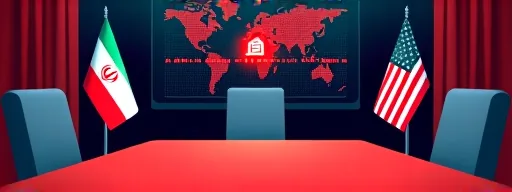
Global stocks slid on Friday, led by a technology rout in Asia, as investors confronted a double blow: faltering momentum in the artificial intelligence sector and escalating Middle East tensions. The combination prompted a defensive shift ahead of the weekend, with the Kospi in Seoul plunging 5.5% and Tokyo’s Nikkei losing 1.3%. The sell-off followed a mixed session on Wall Street, where the Dow Jones Industrial Average set a record high while the Nasdaq edged lower, dragged down by a 12% tumble in chipmaker Broadcom.
Broadcom’s disappointing revenue forecast, released after the US market close on Wednesday, shattered confidence in the blistering rally in AI shares. Investors who had driven semiconductor stocks to stratospheric heights rushed to lock in profits. In Seoul, Samsung Electronics and SK Hynix, key suppliers in the AI value chain, fell 6.4% and 9.9% respectively. Tokyo Electron shed 6.6%. The pain extended to Europe, where the continent-wide STOXX 600 index slipped 0.2%, with technology posting the steepest losses after a 33% surge over the past two months.
Viewed from Washington, the technical correction in equities was amplified by a sudden souring of geopolitical sentiment. Ceasefire talks between Israel and Hezbollah collapsed on Thursday after the Iran-backed militia rejected a US-mediated proposal and Israel refused to withdraw troops from southern Lebanon. The impasse imperils President Donald Trump’s broader push for a peace deal with Tehran, jangling nerves across global markets. Oil prices dipped as some traders focused on reduced supply risks, but equity investors saw fresh uncertainty.
Analysts in London note that the week’s market swings underscore the fragility of an AI-driven rally reliant on a handful of firms. While the Dow’s record close reflected resilience in industrial and financial shares, the Nasdaq’s flat performance signalled a rotation out of growth names. Jobless claims in the US rose to 225,000, their highest since February, but traders largely shrugged off the data, betting that Friday’s employment report would confirm solid hiring trends.
Looking ahead, the interplay between diplomacy and technology earnings will dictate near-term market direction. Should US-Iran negotiations regain momentum, risk appetite could quickly recover, reviving beaten-down chip stocks. However, with valuations still lofty and profit-taking not yet exhausted, further volatility is likely. For now, the market’s defensive crouch suggests investors are bracing for a weekend of potential diplomatic setbacks.
How the same story is told elsewhere.
Latin American coverage emphasized the fall in Asian equities and AI profit-taking against a backdrop of stalled US-Iran diplomacy. It also noted that US stocks had surged to near 1985 levels as investors bought the dip, shrugging off underwhelming guidance from chipmaker Broadcom.
Russian business reporting noted that Wall Street ended mostly higher, with the Dow Jones reaching a fresh all-time high. The rise in weekly jobless claims to their highest since early February was presented as a factual backdrop, indicating a modest cooling in the US labour market.
Gulf financial media framed the market downturn as a twin blow from the impasse in US-Iran peace talks and the cooling of the AI rally. Thursday’s mixed session, which saw a record Dow alongside tech losses, gave way to broader declines on Friday as investors turned defensive, rattled by Hezbollah’s rejection of a Lebanese ceasefire and Israel’s refusal to withdraw, leaving direct negotiations between Washington and Tehran in limbo.
This story appeared in
5 sources · 2 languages · 24h window