US Trade Probe and Gang Terror Listing Pile Pressure on Brazil
Washington is poised to impose trade sanctions and has labelled Brazilian crime factions as terror groups, triggering accusations of political meddling and sovereignty violations from Brasília.
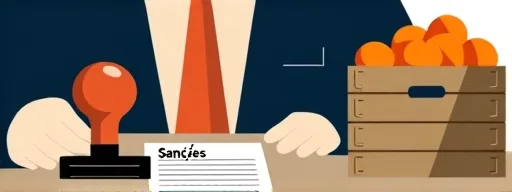
Brazil is facing a twin challenge from Washington as the United States nears the conclusion of a trade investigation that could bring retaliatory tariffs, while simultaneously designating two of the country's most notorious criminal factions as Foreign Terrorist Organizations. The Section 301 probe into alleged unfair practices in digital trade, electronic payments and intellectual property is expected to yield a verdict within days, with US officials privately signalling a grace period for Brazil to adjust its policies before any penalties kick in. The timing overlaps awkwardly with the State Department's decision to list the First Capital Command (PCC) and Red Command (CV) as terrorist groups, a move that enters into force on 5 June.
Seen from Brasília, the twin developments amount to an unwelcome show of unilateral pressure. Senior officials have been quick to push back. Ricardo Lewandowski, a former justice minister and retired supreme court judge, described the terror designation as an 'attack on sovereignty' that could scare off foreign investors. Finance Minister Dario Durigan, while conceding that the gangs 'do cause social terror', insisted that Brazil would not assume 'a position of vassalage'. He said he is ready to telephone US Treasury Secretary Scott Bessent, but criticised Washington for failing to consult Brasília beforehand. President Luiz Inácio Lula da Silva is considering a direct call with Donald Trump, hoping to defuse tensions and head off further trade restrictions.
Washington frames its actions in terms of law enforcement and national security. A State Department spokesperson stressed that the aim is to disrupt the illicit financial networks of organised crime, and pledged continued cooperation with Brazilian authorities. Yet the legal consequences are far-reaching: any US person or company with even remote links to PCC or CV members could face federal criminal liability. Moreover, analysts viewing events from outside the Western hemisphere note a political undercurrent. The designation followed a visit to Washington by Senator Flavio Bolsonaro, son of former president Jair Bolsonaro and a likely contender in next year's election. The listing, experts suggest, is less about a direct US threat—neither gang operates on American soil—than about bolstering an ally of Trump.
On trade, the picture is equally fraught. The US investigation has been underway for months, and Brazilian officials have presented technical arguments on everything from Pix payment infrastructure to environmental regulation. Still, Durigan concedes that conversations over the gang designations are unlikely to halt the Section 301 process. With Washington hinting at a window for compliance before sanctions bite, the Lula administration must decide how far to bend on digital trade rules without appearing to capitulate.
The coming weeks will test Brazil's diplomatic agility and the resilience of its most important bilateral relationship. As both sides hold their ground, the episode offers a stark illustration of how swiftly instruments of security and trade policy can be wielded to reshape alliances—or to intervene in the domestic politics of an emerging power.
How the same story is told elsewhere.
Latin American press frames the US actions as a twin assault: a trade probe threatening tariffs on digital services, electronic payments and intellectual property, and the label of terrorist organizations on Brazil’s main criminal gangs. Former ministers and officials decry the terrorist designation as an affront to national sovereignty, warning it could scare off foreign capital and open the door to US legal overreach. The Lula administration pursues direct dialogue with Trump to avert penalties, while cabinet members stress that Brazil will not bow to a vassalage.
Chinese analysts view the US classification of Brazilian gangs as terrorist organizations not as a genuine security step, but as a political intervention designed to boost the son of former president Bolsonaro, a Trump ally, ahead of elections. They argue the move fabricates a narrative to sway voters and pressure the Lula government. Such meddling masks commercial and geopolitical interests and undermines Brazilian sovereignty.
This story appeared in
8 sources · 1 languages · 24h window