Trapped Caver Freed After 12-Hour Ordeal in Italian Alps
A 20-year-old speleologist was extracted at dawn after his leg was pinned by a boulder 120 metres underground in the Grotta dei Cinghiali Volanti, thanks to a 53-strong rescue team.
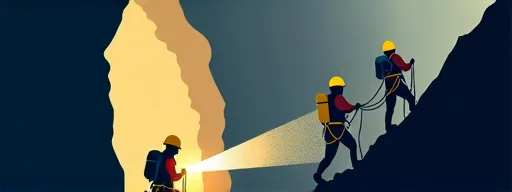
Just before dawn broke over the Garessio mountains, a young Ligurian speleologist was pulled from the depths of the Grotta dei Cinghiali Volanti, ending an agonising twelve-hour ordeal that had begun the previous evening. The rescue, completed at 5:40 a.m. local time, saw the man emerge with his trapped leg freed and his spirits intact, according to officials from the National Alpine and Speleological Rescue Corps. Fifty-three technicians had converged from across Italy, working through the night in a meticulously coordinated operation that combined disostruction expertise with the victim’s own active collaboration to hasten the evacuation.\n\nThe accident unfolded abruptly around 5 p.m. on Sunday, when a boulder detached as the group moved through the cave system, pinning the 20-year-old’s leg and leaving him immobile at a depth of 120 metres. His companions raised the alarm, and within hours the first rescue teams reached the site, setting up an improvised medical post inside the cave. The challenge lay in moving the massive rock without causing further injury, a task for which specialist disostruction units were deployed. The victim’s ability to assist — a detail highlighted in Italian press accounts — reportedly shaved crucial hours off the extraction timeline.\n\nThe Grotta dei Cinghiali Volanti, discovered only in 2007 by the Speleo Club Tanaro, forms part of the Rocca d’Orse–Val d’Inferno karst complex, a labyrinthine network that draws speleologists from across Europe. The area’s evocative name, Valley of Hell, belies its allure for enthusiasts who probe the subterranean frontiers of the Ligurian Alps. In Italy, the drama inevitably drew comparisons to the 2010 film *127 Hours*, though this real-life incident concluded without the desperate self-amputation that befell Aron Ralston in the Utah canyonlands — a mercy that speaks both to the rapid response and to the resilience of the victim.\n\nViewed from São Paulo, where CNN Brasil highlighted the rescue effort, the story underscored the global resonance of cave rescue incidents and the transnational fascination with extreme exploration. The deployment of an underground field clinic — a relatively recent innovation in speleological medicine — points to the growing sophistication of such operations, as volunteer corps in Italy and elsewhere prepare for the expanding popularity of caving as a sport. The successful outcome reinforces confidence in these networks, even as it raises questions about risk management in zones where a misstep can become life-threatening within seconds.\n\nAs the Ligurian caver recuperates, attention may turn to the protocols that allowed a rapid, multi-regional response to unfurl without bureaucratic delay. The Grotta dei Cinghiali Volanti has now etched a new chapter into its short history, one that merges human frailty with institutional competence. For the global speleological community, the lesson is clear: even in the deepest dark, a well-rehearsed safety net can bring you back into the light.
How the same story is told elsewhere.
Dramatic rescue of a young caver trapped for 12 hours at a depth of 120 metres in the Cinghiali Volanti cave near Cuneo. After a tense night, 53 alpine rescue technicians freed the injured man, evoking comparisons to the film 127 Hours but with a positive outcome.
A man trapped in a 120-metre Italian cave was saved by 53 rescuers and first assisted at a makeshift medical post inside the cave. The report is terse and focused solely on the rescue effort.
A report defining a ‘caver’ (espeleólogo) recounts the rescue of a researcher whose leg was pinned under a rock at 120 metres depth. Over 50 people took part in the overnight operation, presented with a factual yet explanatory tone.
This story appeared in
5 sources · 3 languages · 24h window