Sweden Trains Citizens to Stop Bleeding in Civil Defence Drive as Global Health Campaigns Converge
Stockholm mobilises civilians with emergency skills, while blood donation and nutrition alerts in Mexico and Nigeria highlight a worldwide push for health self-reliance.
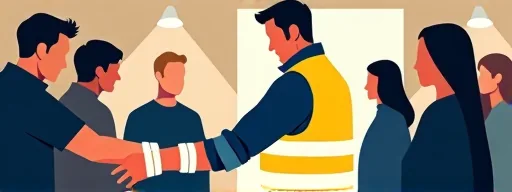
In a move that underscores the fusion of public health and national security, Sweden’s government has unveiled a nationwide campaign to equip civilians with life-saving skills—specifically, how to stop severe bleeding and perform cardiopulmonary resuscitation. Unveiling the initiative on Tuesday alongside Socialstyrelsen Director-General Björn Eriksson, Health Minister Elisabet Lann declared that the training would serve double duty: ‘We know this is something we benefit from in peacetime, during accidents. It is rarely healthcare staff who are first on the scene, but a fellow human being.’ The urgency of such preparedness, Lann noted, had been starkly demonstrated by the war in Ukraine, where ordinary citizens’ ability to administer emergency care has proven a decisive societal strength.
The campaign forms part of a wider Swedish civil defence overhaul that aims to train 10,800 individuals over five years for healthcare mobilisation in the event of heightened alert or war. Authorities also intend to review the state’s responsibility for blood donations, as several regions face recurring or acute shortages. Lann stressed the importance of boosting donor numbers, calling voluntary blood giving ‘hugely important.’ Simultaneously, a separate inquiry will examine how to maintain a one-month reserve of critical medicines, reflecting a comprehensive hardening of the country’s health infrastructure against both everyday accidents and potential conflict.
The Swedish push arrives as global institutions rally attention to blood donation. The World Health Organization has adopted the slogan ‘One Drop of Humanity. Give Blood. Save Lives.’ for the 2026 World Blood Donor Day campaign, communicated by Nigeria’s National Blood Service Agency (NBSA). Director-General Saleh Yuguda urged partners to intensify voluntary donation efforts, citing the need for a safe, sustainable blood supply. In Mexico, the Instituto Mexicano del Seguro Social (IMSS) launched a three-day mobile donation drive at its headquarters, aiming to collect at least 50 units daily ahead of the June 14 observance. Such multi-nation appeals reflect a shared recognition that volunteer blood systems, much like civilian emergency training, depend on sustained public participation.
In a parallel nudge toward health literacy, Nigeria’s Commercial Dairy Ranchers Association warned that low-cost milk substitutes and creamers marketed as dairy products mislead consumers and deprive them of genuine nutritional benefits. Speaking at a World Milk Day conference in Abuja, association president Muhammadu Damakka Abubakar urged shoppers to scrutinize labels and choose fresh milk. While distinct from the emergency preparedness campaigns, the advisory echoes the theme of equipping citizens with knowledge to protect their own health—whether through first-aid competence or skepticism toward adulterated foodstuffs.
Viewed from London, the Swedish initiative represents a notable recalibration of the social contract, blending a nanny-state impulse with hard security demands. Analysts suggest that the Ukrainian experience has reinvigorated Nordic nations’ civil defence traditions, but the real test will be whether large numbers of citizens actually enrol in courses and maintain their skills over time. Similarly, the long-term success of blood donation drives in Nigeria and Mexico hinges on building a culture of voluntary, repeat giving—a challenge that public health authorities across the globe continue to confront.
How the same story is told elsewhere.
Sweden’s campaign to teach bleeding control and CPR is framed as part of strengthening civil defense, with everyday accident response as a dual benefit. Officials point to community resilience in Ukraine as a reference for broad-based preparedness.
Mexico’s social security institute announces logistics for a mobile blood donation site, presenting it as a straightforward public service notice without additional narrative framing.
Nigeria’s blood agency promotes the WHO slogan ‘One Drop of Humanity. Give Blood. Save Lives.’ urging a rise in voluntary donations. The message blends a humanitarian appeal with a call to action, aligned with the global solidarity campaign.
This story appeared in
6 sources · 2 languages · 24h window