Simple Strength Exercises Cut Early Death Risk by 13%, Global Studies Confirm
Research from multiple continents shows bodyweight training and aerobic activity, from stair climbing to swimming, are key to longevity and cognitive health, with experts urging daily integration.
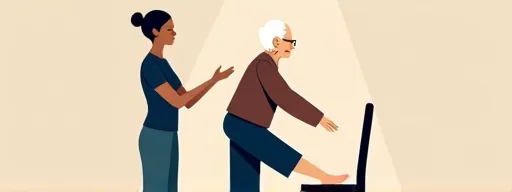
A landmark study published in the British Journal of Sports Medicine has crystallised a simple truth: just two hours of strength training each week can reduce the risk of premature death by 13 per cent, slashing mortality from cardiovascular and neurological diseases by as much as 27 per cent. The research, widely cited from Tehran to Buenos Aires, highlights that bodyweight exercises like push-ups, squats, and lunges are as effective as gym-based weightlifting in conferring these benefits.
Across Latin America, specialists have long championed accessible routines that align with these findings. In Argentina, climbing stairs rather than taking the lift is promoted as a free, daily habit to fortify the legs and prevent debilitating falls among older adults. Similarly, the squat—a movement mimicking sitting and standing—is celebrated as a home-based exercise critical for maintaining functional strength and balance after 60.
Aerobic activity remains essential, particularly for cognitive vitality. Researchers in Russia report that consistent aerobic exercise, from walking to cycling, significantly boosts memory and attention in the cognitively frail, with the greatest gains seen when physical exertion is paired with mental tasks. The low-impact nature of swimming, meanwhile, makes it a favourite in Brazilian and Argentine medical circles for protecting the heart without the joint strain associated with running.
The convergence of this evidence is echoed even by artificial intelligence, which, when prompted by an Argentine newspaper, recommended an array of post-50 habits mirroring this exact blend of strength, balance, and cardiovascular work. Strikingly, the global wellness conversation has widened to include granular self-care: Bangladeshi outlets detail age-specific skincare regimens, while Argentine tricologists advise on revamping hair routines to combat post-menopausal changes, reflecting a holistic, cross-continental preoccupation with ageing gracefully.
Looking forward, the message distilled from these disparate dispatches is unambiguous: the most powerful tools for a longer, sharper life are not hidden in expensive gadgets or exclusive gym memberships but in patterns woven into the everyday. As populations age worldwide, the priority for health systems will be to embed such simple, evidence-led practices into the fabric of daily life, from the stairwells of apartment blocks to the rhythms of a morning swim.
How the same story is told elsewhere.
Latin American outlets push a simple message: gyms and pricey equipment are unnecessary. Climbing stairs or doing home squats is enough to build leg strength, prevent falls, and safeguard the heart, turning aging into an active, cost-free journey.
Iranian media hail the miraculous mix of aerobic and strength training that can drastically extend lifespan and cut mortality. The enthusiastic, urgent reporting frames this life-saving blend as an immediate necessity for everyone.
South Asian coverage turns to the skin, warning that strictly splitting morning and night routines is the only way to reap anti-aging benefits; without this divide, all efforts are futile. Environmental threats and urgent cellular repair dominate the narrative.
Russian press calmly relays a scientific finding: straightforward aerobic exercises like walking or cycling markedly improve cognitive function in elderly people with cognitive decline. The reporting maintains a detached, research-based tone, presenting an accessible, low-cost tool for mental sharpness.
This story appeared in
6 sources · 2 languages · 24h window