Congo’s Ebola Crisis Deepens as Global Vaccine Race Scrambles to Catch Up
Confirmed cases hit 282, with over 1,100 suspected, but low contact tracing and months of undetected spread suggest a far larger epidemic may be unfolding.
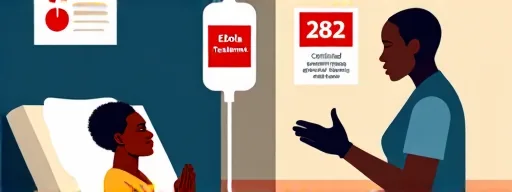
The Bundibugyo strain of Ebola, for which no licensed vaccine or treatment exists, is driving a deepening crisis in eastern Democratic Republic of Congo. Confirmed cases have reached 282, with more than 1,100 suspected, as the outbreak concentrates in conflict-ridden Ituri province. Yet a few recoveries—nurses and a laboratory technician discharged from a Bunia hospital—have provided a flicker of hope. Such outcomes, health officials say, underscore the value of early diagnosis and supportive care, even as the treacherous terrain hampers the response.
The scientific community has mobilised with unusual speed. Within a week of the World Health Organisation declaring a public health emergency, experts had identified the most promising vaccine candidates and designed protocols to test them. Three vaccines are now in development: one by Moderna, funded by a $50 million grant from a global coalition; another by Oxford University; and a third by the International Aids Vaccine Initiative. The WHO has flagged a single-dose shot using the rVSV platform as the frontrunner. India has airlifted emergency diagnostics and supplies, a gesture welcomed by the Africa Centres for Disease Control. Yet behind the laboratory optimism lies a grim reality: the International Rescue Committee warns the virus likely circulated undetected for three months before the first case, and only 20% of contacts are currently being traced, meaning the true scale of infection is almost certainly far larger than official numbers suggest.
The outbreak’s shockwaves are being felt thousands of miles away. In Brazil, two travellers from Africa tested negative—one with malaria, the other meningitis. In Italy, a man who returned from Congo to Sardinia was isolated with Ebola-like symptoms but also tested negative. These false alarms, while reassuring, reflect a justified worldwide anxiety. African Union officials warn the risk of cross-border spread is increasingly real, and Nigeria’s own assessment found it only 59% prepared for an imported case. European Union health ministers have called an emergency meeting for 5 June to coordinate their defences.
For global health strategists, the Bundibugyo outbreak is a stark test of whether the world can translate vaccine innovation into effective containment. Viewed from London or New Delhi, the episode underscores a familiar truth: the most advanced biotechnology cannot substitute for basic public health infrastructure, especially in conflict zones. As the virus exploits porous borders and under-resourced clinics, the race to stop it is as much operational and political as it is scientific. The coming weeks will determine whether this flare-up is wrestled into submission or becomes another devastating chapter in the history of Ebola.
How the same story is told elsewhere.
The Ebola outbreak in Congo keeps spreading, with 282 confirmed and over a thousand suspected cases. As the World Cup in North America approaches, fears of international transmission rise and a 50-million-dollar investment is announced for an experimental vaccine.
In Brazil, all suspected Ebola cases have been definitively cleared by lab tests; they turned out to be malaria or meningitis. News of recoveries in Congo brings hope, and local health authorities stress there is no cause for alarm.
Africa CDC thanked India for the emergency medical aid provided to the Democratic Republic of Congo in the fight against Ebola. The diagnostics and therapeutics, already mobilized in Uganda, are hailed as a model of solidarity cooperation.
The race for a vaccine against the Bundibugyo strain of Ebola intensifies as suspected cases top 1,100 with nearly 250 deaths. In Nigeria, the system is rated only 59% prepared, and the NCDC director warns the risk is real and immediate action is needed.
This story appeared in
26 sources · 1 languages · 24h window