China’s Factory Activity Stalls Amid Energy Cost Squeeze
Official manufacturing PMI flatlines at 50, while private survey shows slower but resilient growth, as Iran conflict drives energy prices higher and global demand softens.
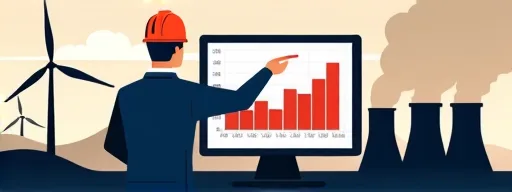
China’s vast manufacturing engine lost momentum in May, with the official purchasing managers’ index (PMI) stalling precisely at the 50-point mark that separates expansion from contraction. Released on Sunday, the headline reading from the National Bureau of Statistics (NBS) was unchanged from 50.3 in April, ending two consecutive months of expansion and reflecting the growing drag from elevated energy costs since the eruption of hostilities in the Middle East. A composite PMI, which includes services, ticked up to 50.5 from 50.1, hinting that the broader economy retains pockets of resilience.
Beneath the headline figure, the official survey revealed troubling details. The new orders sub-index slipped into contractionary territory, falling to 49.9 from 50.6, while the production gauge weakened slightly to 51.2. Inventories of raw materials continued to shrink, dropping to 48.6, suggesting manufacturers remain cautious about restocking. These metrics, reported by regional media with close attention to the Iran conflict’s economic ripple effects, underscore how external shocks are filtering through to the factory floor. Chinese officials have noted that the country has been less exposed than many economies to the global energy price surge, partly due to long-term supply agreements and state-managed pricing mechanisms.
In contrast, a separate survey compiled by S&P Global and focused on smaller, private firms painted a somewhat brighter picture. The Caixin manufacturing PMI eased to 51.8 in May from 52.2 in April, but remained comfortably in growth territory. Demand for Chinese manufactured goods continued to expand, albeit at a slower pace, with the latest reading still among the highest recorded over the past five years. New export orders dipped marginally, hinting at softening foreign appetite, while input cost pressures showed signs of easing—a development that could relieve stretched margins if sustained.
The divergence between the two surveys highlights the uneven nature of China’s post-pandemic recovery. Large state-owned enterprises, which dominate the official NBS sample, appear more exposed to the energy-intensive industries and the geopolitical headwinds emanating from the Iran crisis. Smaller private firms, which are often more agile and focused on consumer goods, continue to benefit from resilient domestic and international demand. Analysts in London cautioned that if the official PMI remains at or below 50 and new export orders weaken further, Beijing may feel compelled to roll out fresh stimulus measures, particularly targeted at manufacturers and exporters. With uncertainty over global energy markets persisting, the outlook for China’s industrial sector hangs in a delicate balance.
How the same story is told elsewhere.
China's factory activity stabilized in May, with the official PMI slipping to 50.0 from 50.3, reflecting pressure from rising energy costs amid the Middle East conflict. The reading signals a pause after two months of expansion, without fresh momentum.
China's industrial momentum slowed, with the official PMI falling to 50, raising questions about Beijing's ability to shield its economy from the war in Iran and weakening demand. New orders dipped below 50, signaling contraction. The stagnation casts doubts on the country's insulation from regional turmoil.
China's manufacturing expansion slowed in May, with the S&P Global PMI edging down to 51.8 from 52.2, according to a report. Signs of easing inflationary pressures accompanied the deceleration. Demand for manufactured goods remains solid, though growth is moderating.
China's industrial sector displays optimism: the manufacturing PMI, compiled by RatingDog, fell less than expected in May. Although declining, the better-than-feared reading supports the view of resilience. The limited drop fosters confidence that the economy is finding its footing.
This story appeared in
5 sources · 3 languages · 24h window